baby ballet
Baby Ballet: What Is It and When Can My Child Start?
14 April 2026 · 6 min read · Updated 14 April 2026
TL;DR
Baby ballet is a gentle, play-based introduction to ballet for children as young as 18 months. It builds rhythm, coordination, posture and confidence through imaginative play, stories and music — not formal technique. At MOUVE in Hendon NW4, the pathway runs from My First MOUVES (18 months, parent-and-child) through Tots Ballet (2.5 years) to Pre-Primary RAD Ballet (age 4-5), leading into the full Royal Academy of Dance graded syllabus.
Key Takeaways
- Baby ballet is a play-based introduction to ballet concepts — posture, musicality and movement — not formal technique
- Children can start from 18 months in parent-and-child sessions at MOUVE (My First MOUVES)
- Tots Ballet from age 2.5 is the first class without a parent in the room
- The RAD pathway begins at Pre-Primary level (age 4-5), with optional graded exams from around age 6-7
- No experience, special clothing or dance shoes are needed for a trial class
Baby ballet is one of those terms that sounds self-explanatory but leaves most parents with questions. Is it actual ballet? Will my 2-year-old be doing plies at a barre? Do they need a tutu? The short answer: baby ballet is a gentle, play-based introduction to the world of ballet — and it looks nothing like the disciplined technique you might picture.
At MOUVE in Hendon NW4, baby ballet classes use imaginative play, storytelling, songs and simple movement games to introduce children to the foundational concepts of ballet: posture, musicality, rhythm, coordination and spatial awareness. There are no barre exercises, no pointe shoes, and no expectation that a toddler will stand in first position for more than a few seconds. What there is: a warm, structured environment where very young children develop a love of movement that can grow into a lifelong relationship with dance.
What Actually Happens in a Baby Ballet Class
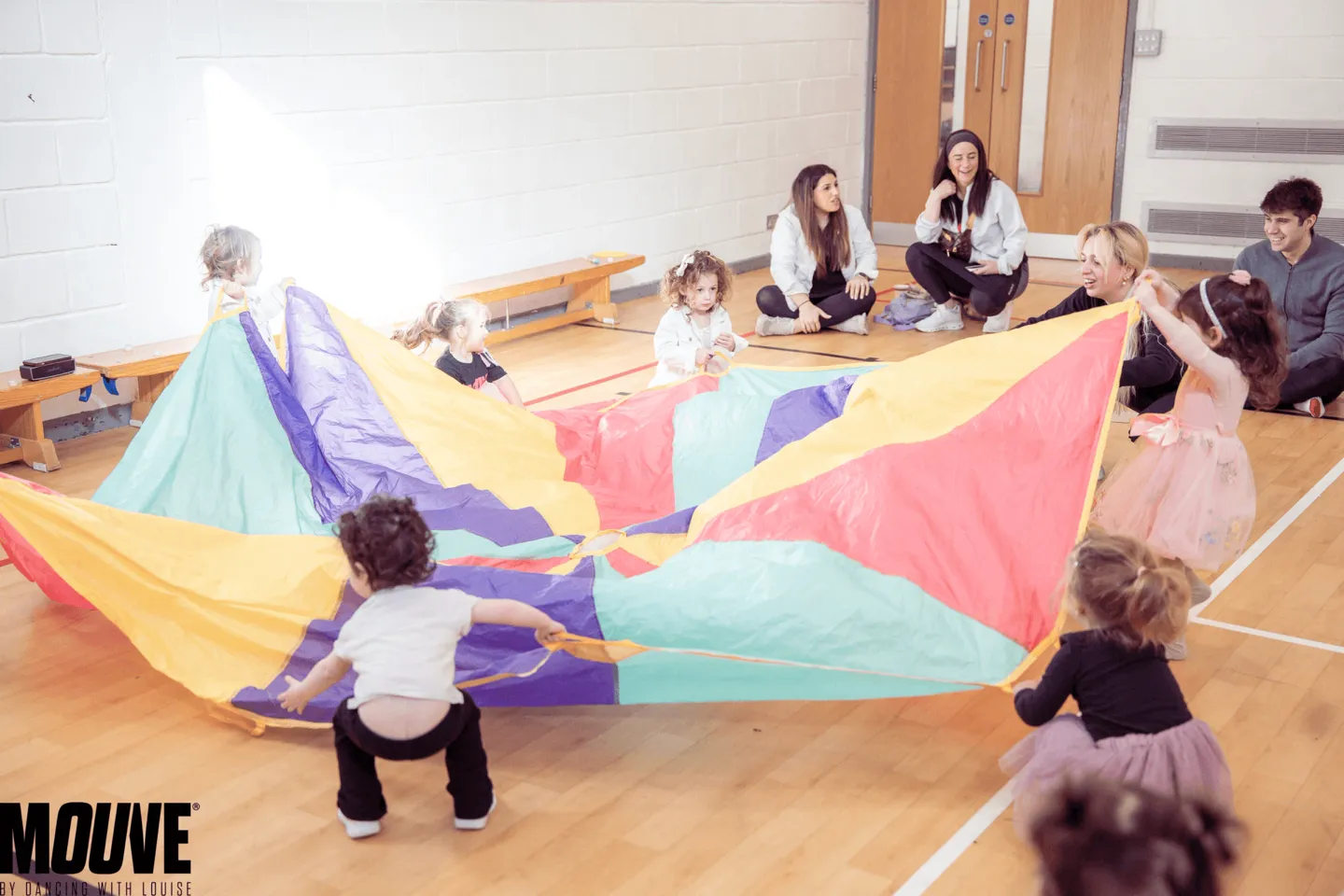
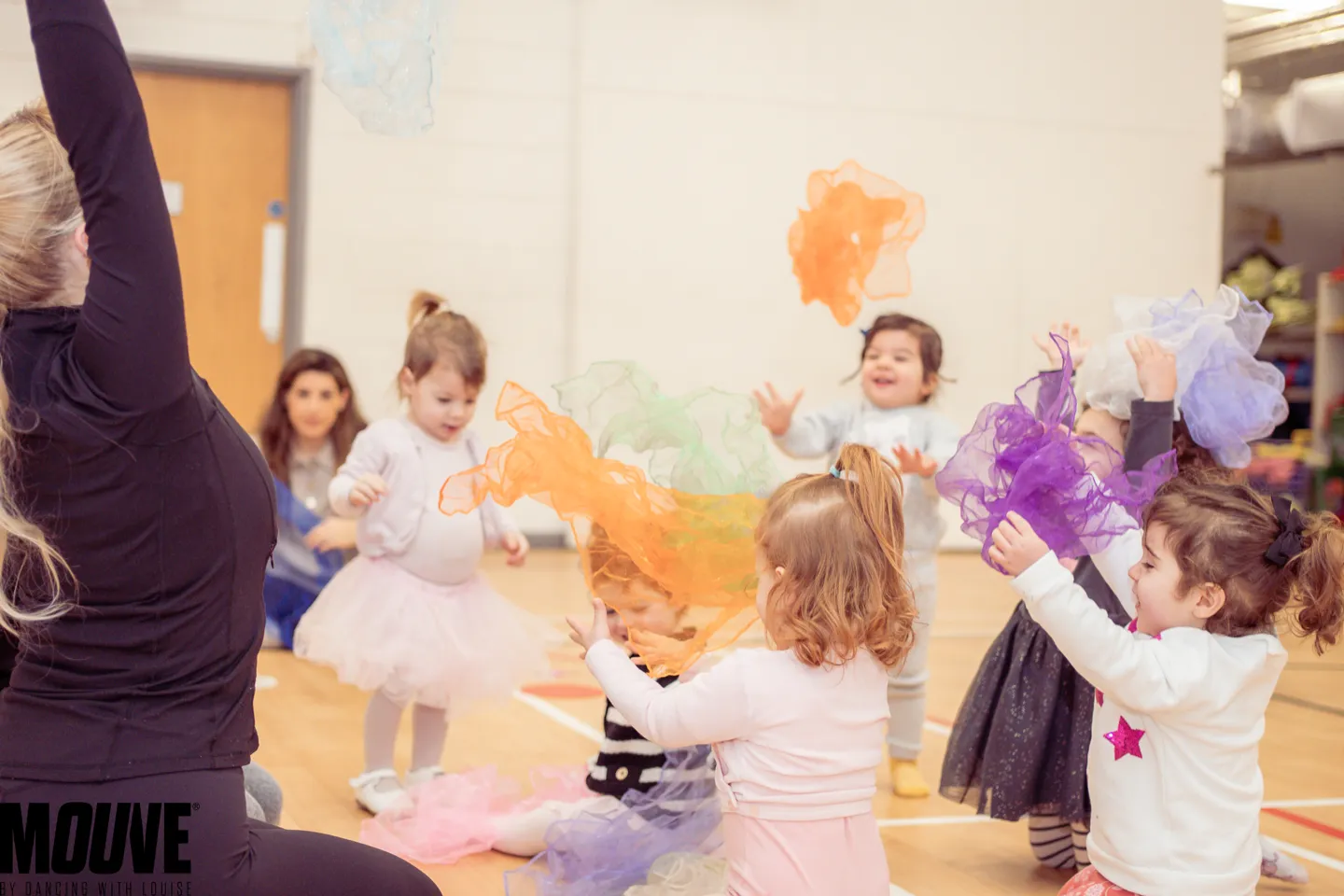
A baby ballet class at MOUVE looks more like a guided adventure than a dance lesson. The teacher might lead children through a story — travelling through a forest, visiting a castle, flying like birds — and weave ballet concepts into the narrative. Tiptoeing becomes releve. Stretching up tall becomes good posture. Jumping becomes a saute.
Classes are 30 to 45 minutes, with small groups so every child gets attention. Props like ribbons, scarves and hoops keep things varied. Music is central — children learn to move in time with different tempos and to respond to changes in rhythm. These are genuine ballet foundations, delivered in a way that makes sense to a 2 or 3-year-old.
The goal is not perfection. It is participation, enjoyment and the gradual development of body awareness, listening skills and confidence in a group setting.
When Can My Child Start
MOUVE offers three entry points for young children, each designed for a specific developmental stage.
My First MOUVES (from 18 months): A parent-and-child session where a carer stays in the room throughout. This is the gentlest introduction — sensory movement, rhythm games, songs and creative play. Children at 18 months are naturally exploring how their bodies move in space, and this class supports that exploration in a structured, social setting. No prior experience is needed. No separation from the parent is required.
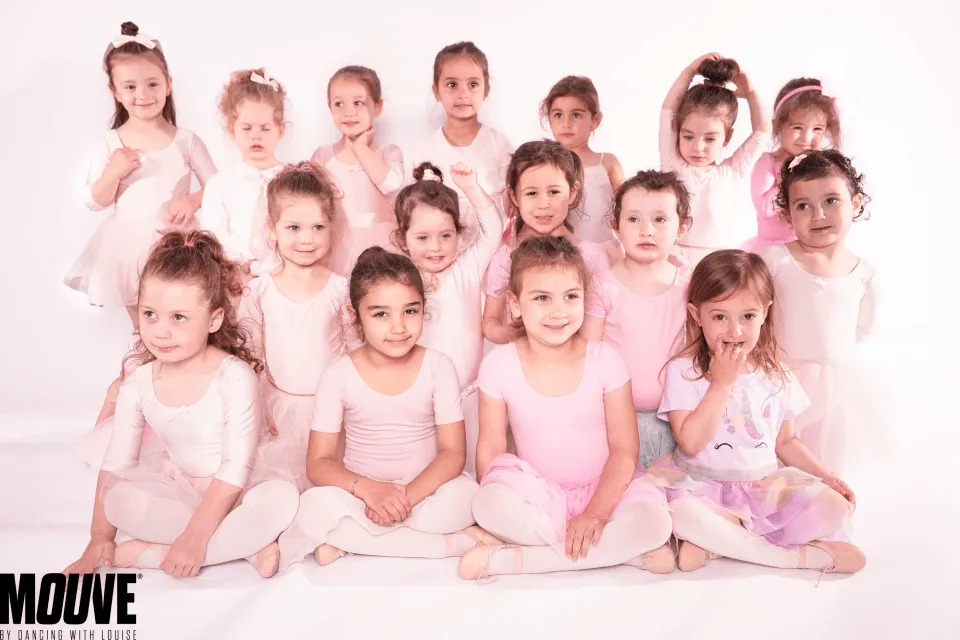
Tots Ballet (from 2.5 years): The first class without a parent in the room. Small groups of children work with the teacher on simple movement sequences, listening skills, and the beginnings of ballet vocabulary — learning the names of positions through games rather than drill. This is where many children have their first experience of independent group learning.
Pre-Primary Ballet (from age 4-5): The start of the formal RAD (Royal Academy of Dance) pathway. Classes become more structured, with set exercises that develop technique, musicality and performance quality. Pre-Primary is still playful and age-appropriate, but it introduces the framework that leads to graded examinations and a progressive ballet education.
The RAD Pathway — Where Baby Ballet Leads
One of the things that sets MOUVE apart is the continuity of the pathway. Baby ballet is not a standalone novelty class — it is the first step on a structured journey through the Royal Academy of Dance graded syllabus, the most widely taught ballet curriculum in the world.
The progression runs: My First MOUVES, Tots Ballet, Pre-Primary, Primary, then Grade 1 through to Grade 8 and beyond. Each level builds on the last, so children develop at their own pace without gaps or repetition. RAD graded exams are available from around age 6-7, but they are entirely optional. Many children enjoy ballet at MOUVE for years without ever sitting an exam.
For families who want a clear structure and internationally recognised qualifications, the pathway is there. For families who simply want their child to enjoy ballet, the classes work just as well without the exams.
What to Wear
For a first trial class, comfortable clothes your child can move in are all you need. Leggings and a T-shirt work well. Bare feet or socks with grips are fine for a first session.
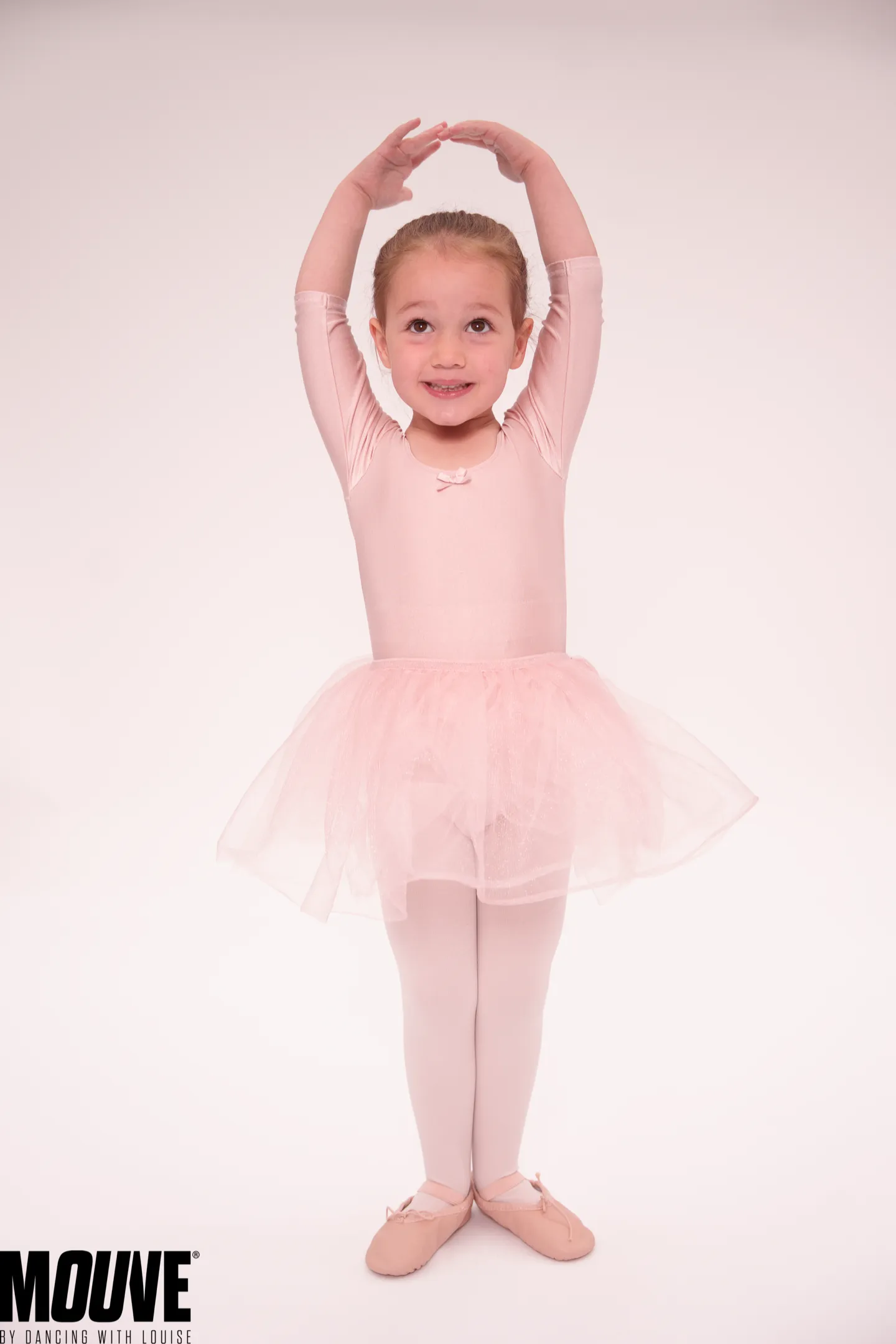
Once your child is enrolled, a leotard and soft leather ballet shoes are recommended. MOUVE sells ballet kit at the studio — shoes, leotards, cardigans — so you do not need to track down specialist dance shops. The teacher will advise on exactly what is needed for your child's class.
There is no need to invest in a full ballet wardrobe before your child has tried a class. Come as you are.
Common Concerns Parents Have
"My child will not sit still." They do not need to. Baby ballet classes are built around movement, not stillness. The teacher works with children's natural energy and attention spans. If your child wants to run, jump and spin — good. That is the point.
"Is 18 months too young?" No. My First MOUVES is designed specifically for this age. A parent stays in the room, the activities are sensory and playful, and there is no expectation beyond gentle participation. Starting dance early builds rhythm, coordination and social skills — even at 18 months.
"Do they need any experience?" None at all. Every child in a baby ballet class is a beginner. The class meets them where they are — there is no catching up to do, no prior knowledge assumed, and no assessment of ability.
"What if they cry or want to leave?" It happens, and it is completely normal. Teachers at MOUVE are experienced with very young children and will handle it calmly. Most children settle within a session or two. If your child needs a term to warm up, that is fine.
Book a Free Trial
If you are searching for baby ballet near you in North London — Hendon, Finchley, Mill Hill, Golders Green, Barnet, Edgware or surrounding areas — MOUVE runs classes for children from 18 months at Bennett House, Sunningfields Road, Hendon NW4 4QR.
Book a free trial class — no payment details needed until you decide to continue. You can also explore the full range of toddler dance classes available at MOUVE, or call 0333 038 4858 with any questions.
Frequently Asked Questions
What age can my child start baby ballet?
Children can start baby ballet from 18 months. At MOUVE in Hendon NW4, the youngest dancers join My First MOUVES — a parent-and-child session focused on rhythm, sensory movement and creative play. From age 2.5, children can move into Tots Ballet, their first small-group class without a parent in the room.
What do children wear to baby ballet?
For a trial class, comfortable clothing your child can move in is all that is needed — leggings and a T-shirt are fine. Once enrolled, a leotard and ballet shoes are recommended. MOUVE sells ballet kit at the studio so you do not need to source it separately.
Is 18 months too young for ballet?
Not at all. My First MOUVES at MOUVE is specifically designed for children aged 18 months to 2 years. A parent or carer stays in the room throughout. The class uses music, props and gentle movement — it is not formal ballet. Children at this age are naturally developing rhythm and coordination, and a structured session supports that development.
Does baby ballet lead to real ballet exams?
Yes. Baby ballet is the first step on the RAD (Royal Academy of Dance) pathway. At MOUVE, children progress from baby ballet through Tots Ballet and into Pre-Primary RAD Ballet, then on to Primary, Grade 1 and beyond. Exams are optional and begin around age 6-7, but the pathway is there for children who want it.
My child will not sit still — can they still do baby ballet?
Yes. Baby ballet classes for the youngest children are designed around movement, not stillness. Children are encouraged to move, explore and play throughout the session. Sitting still is not expected or required. The teacher works with each child's energy and attention span, not against it.