dance classes for 2 year olds
5 Reasons to Start Dance Classes Before Your Child Turns 3
14 April 2026 · 5 min read · Updated 14 April 2026
TL;DR
Children aged 18 months to 3 are in a critical window for motor development, social learning and bonding through movement. Starting dance classes before age 3 builds coordination, body awareness and confidence in group settings — all skills that directly prepare children for nursery and reception. MOUVE by Dancing with Louise in Hendon NW4 offers parent-and-child sessions from 18 months and structured Tots classes from age 2.5.
Key Takeaways
- Ages 18 months to 3 is the fastest period for motor skill development — dance supports coordination, balance and spatial awareness through play
- Group dance classes before school build confidence in shared spaces, turn-taking and following gentle instructions
- Parent-and-child dance sessions are quality bonding time through active, purposeful movement — not passive play
- Social skills like waiting, sharing space and copying movements develop naturally in a toddler dance class
- Children who start at 2 are ready for structured classes by 3 and exam pathways by 5-6 — not because they are pushed, but because they are prepared
Every parent has the same thought at some point: my toddler loves music, they bounce around the kitchen, they spin until they fall over — should I put them in a dance class?
The short answer is yes, if it is the right class. Not every 2-year-old is ready for the same thing, and not every dance class is designed for children this young. But when the class is age-appropriate and the teacher understands how toddlers learn, the benefits are real and lasting.
Here are five reasons it works well — and why so many families at MOUVE start before their child turns 3.
1. Coordination and Body Awareness Develop Fastest at This Age
Between 18 months and 3 years, children are in the most rapid phase of motor skill development they will ever experience. They are learning to run, jump, balance on one foot, climb and coordinate their limbs — all at once. Dance classes channel that natural drive to move into activities that build spatial awareness, left-right coordination and balance through play.
A toddler in a dance class is not learning choreography. They are learning where their body is in space, how to control their movements, and how to respond to rhythm. These are foundational physical skills that support everything from handwriting to riding a bike later on.
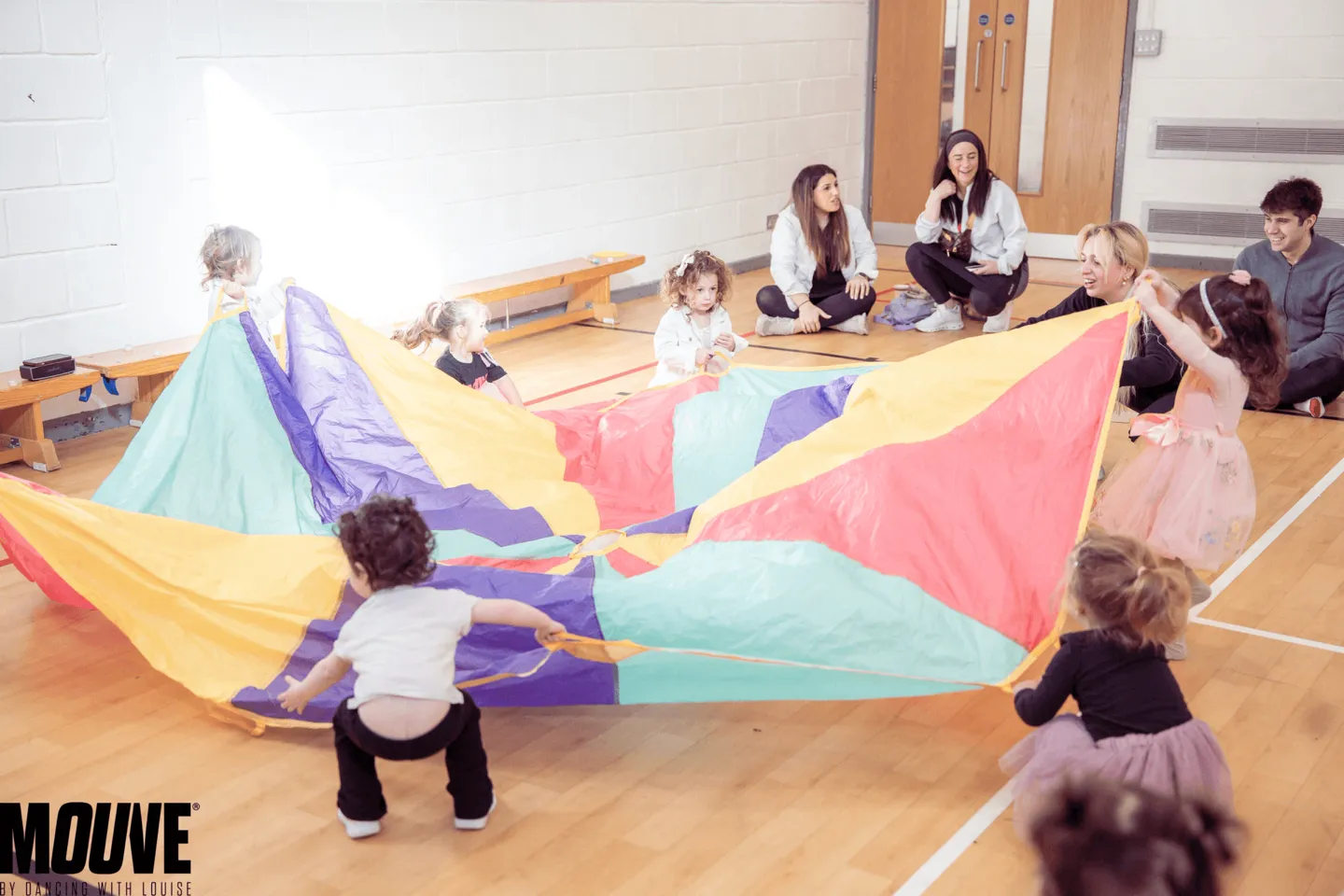
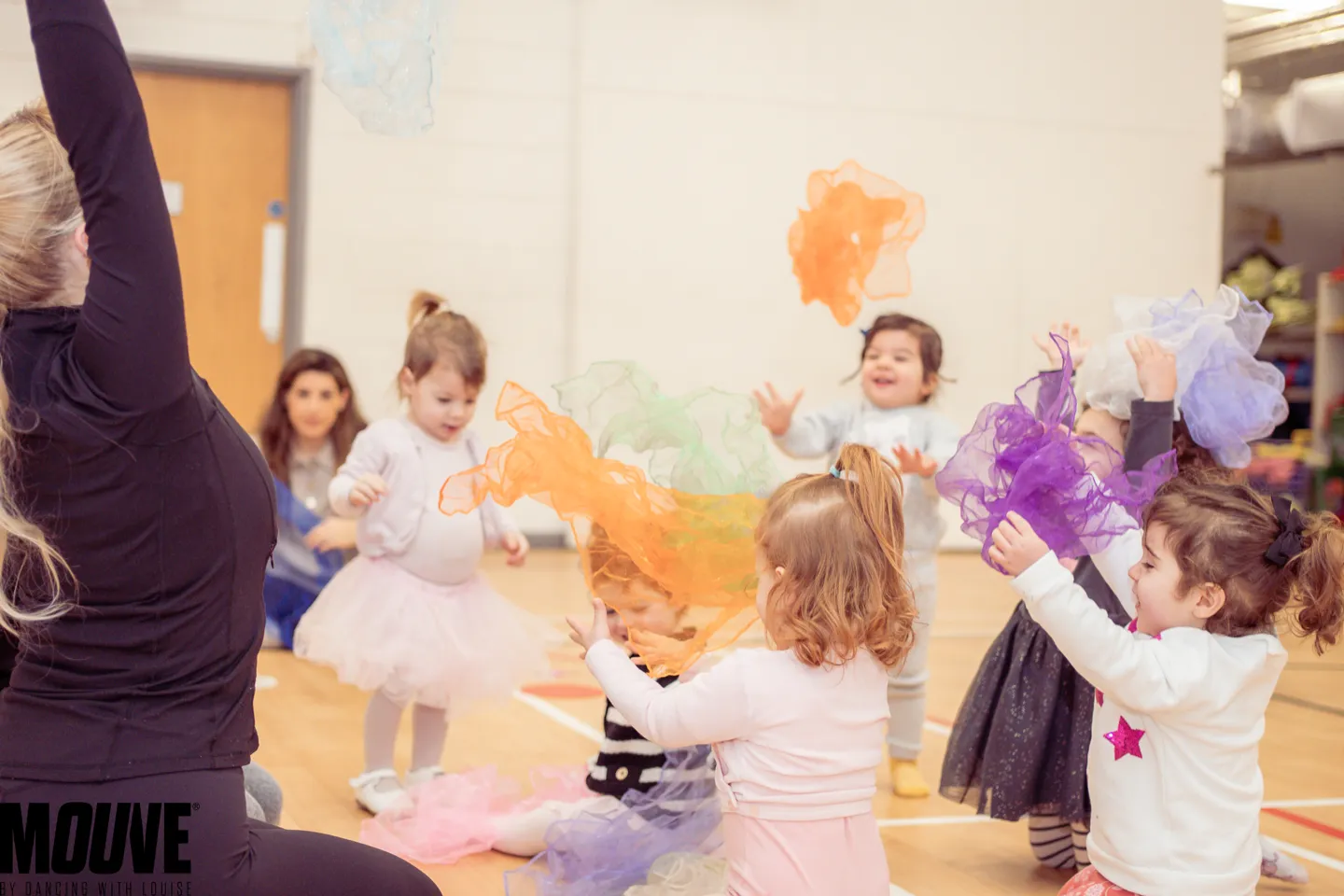
At MOUVE, My First MOUVES sessions (18 months to 2 years) use props, songs and movement games designed to develop these skills in a way that feels like play — because at this age, play is how children learn.
2. Confidence in Group Settings Before School Starts
One of the biggest transitions a young child faces is moving from home life into a group environment — nursery, pre-school, then reception class. Dance classes introduce that transition gently.
In a toddler dance class, children learn to be in a room with other children, follow gentle instructions from an adult who is not their parent, take turns, and cope with a shared space. These are exactly the skills that nursery teachers say make the biggest difference when a child starts school.
Children who have experienced group classes before age 3 tend to settle into nursery and reception more quickly. They have already practised the basics — listening, waiting, joining in — in an environment that is low-pressure and fun.
MOUVE's Talented Tots programme (2.5 to 4 years) is a multi-discipline combo class where children experience ballet, hip hop and creative movement in a small group setting. It is designed specifically for this transition stage.
3. Parent-Child Bonding Through Movement
For children under 2.5, MOUVE's classes are parent-and-child sessions. A parent or carer stays in the room and participates — dancing, singing, lifting and moving alongside their child.
This is different from sitting in a soft play while your toddler disappears into a ball pit. It is active, purposeful time together. You are making eye contact, responding to each other's movements, laughing at the same things. Research consistently shows that shared physical activity strengthens the parent-child bond in ways that passive activities do not.
Parents often say these sessions become the highlight of their week — not just for their child, but for themselves. It is 30 minutes of being fully present with your toddler, without screens, without distractions, doing something that is genuinely enjoyable for both of you.
4. Social Skills They Will Use Every Day
Dance classes teach social skills that children use long after the music stops. Waiting for your turn. Sharing space without pushing. Copying what someone else is doing. Celebrating when another child does something well.
These are not skills that toddlers are born with — they are learned. And they are learned most effectively in structured, guided environments where a skilled teacher can model and reinforce them naturally.
In a toddler dance class, children practise these skills every session without even realising it. By the time they reach age 3 and move into more structured classes, these social foundations are already in place.
5. A Head Start on the Pathway — Without Pushing
Children who start dance at 2 are not being fast-tracked. They are being given time.
By the time they turn 3, they are comfortable in a class environment, familiar with how a session works, and confident enough to try new things without a parent in the room. By 4 or 5, they are ready for structured technique classes. By 5 or 6, they may be ready for RAD ballet exams or other graded pathways — not because they have been pushed, but because the groundwork was laid early.
This is not about creating prodigies. It is about readiness. A child who has been gently introduced to dance at 2 arrives at each new stage already prepared, rather than facing everything for the first time at once.
As we explored in our guide to what age children should start dance classes, there is no single right age — but starting early gives children more time to develop at their own pace.
Every Child Is Different
Some 18-month-olds walk into their first class and join in immediately. Others take three sessions before they stop clinging to a parent's leg. Both are completely normal.
A good teacher — and a good class — accommodates both. At MOUVE, our teachers are DBS-checked and qualified (ISTD and LAMDA trained), with over 30 years of experience working with the very youngest dancers. Small class sizes mean every child gets individual attention, and no one is expected to be perfect on day one.
If you are wondering whether your child is ready, the honest answer is: try it and see. A single trial class will tell you more than any blog post.
Book a Free Trial
MOUVE by Dancing with Louise offers classes from 18 months at Bennett House, Sunningfields Road, Hendon NW4. Book a free trial class — no payment details needed until you decide to continue.
Frequently Asked Questions
Can a 2 year old do a dance class?
Yes. At MOUVE by Dancing with Louise in Hendon NW4, children can start dance classes from 18 months in the My First MOUVES parent-and-child programme. These sessions use music, movement games and creative play — not choreography. A parent or carer stays in the room throughout. From age 2.5, children can move into small-group Tots classes.
What do toddlers actually do in a dance class?
Toddler dance classes focus on rhythm, movement exploration and social interaction rather than technique. Children clap, stamp, spin, jump, balance and move with props like scarves and ribbons. Everything is play-based and led by a qualified teacher who understands child development. The goal is enjoyment and confidence — not perfection.
Is 2 too young for dance classes?
No. Age 2 is an excellent time to start. Children at this age are developing balance, coordination and body awareness at a rapid rate, and dance supports all three. Research from the NHS confirms that children aged 2-3 are building the motor skills and social readiness that group movement classes reinforce. A good toddler dance class meets children exactly where they are.